

Wenzhou Medical University
Study city
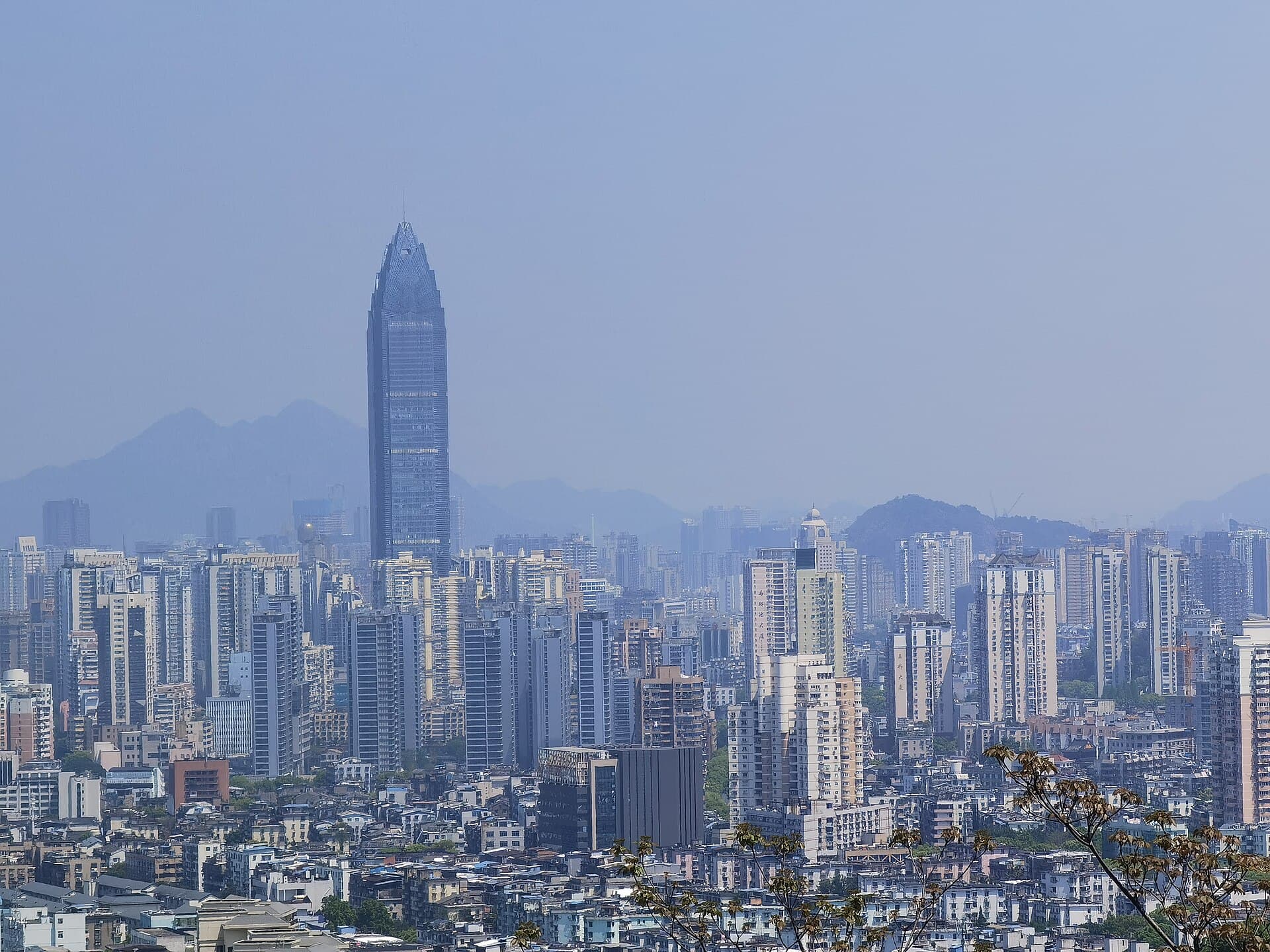
Wenzhou · Zhejiang
Coastal commerce city
- Mild · rainy summers
- Entrepreneurial culture · private business
- Compact campuses · coastal weekends
Where Wenzhou Medical University is based
Photo: User:CatOnMars · CC BY-SA 4.0 · Wikimedia Commons
About Wenzhou Medical University
Wenzhou Medical University (WMU) is a key provincial university under Zhejiang Provincial Government. It traces back to the former Zhejiang Specialized Medical School (1912) and is listed in the World Directory of Medical Schools (WHO). Enrollment cited: 18,239 full-time students, including 4,001 postgraduate and 302 doctoral students. Faculty and staff (including affiliated hospitals): more than 14,000, with over 1,800 holding senior professional titles; main campus about 1,609 full-time teachers. Five-year undergraduate programs began in 1958; master’s programs in 1978. WMU was among the early Chinese institutions authorized to confer master’s and doctoral degrees. Four national featured programs: clinical medicine, optometry & ophthalmology, medical laboratory, and pharmacy. Science-program admission scores ranked first among provincial universities in Zhejiang (as stated). ESI (2018): chemistry, pharmacology and toxicology, and biology and biochemistry in the world’s top 1%; clinical medicine in the top 0.2%. Graduates’ average scores and pass rates on the Chinese Doctor’s License Examination are described as consistently within the top 10% of Chinese medical programs
Available Programs
34 programsKey Highlights
Average Tuition
¥44,259/year
Programs Offered
34 programs across various disciplines
University Information
Location
Wenzhou, Zhejiang
Degree programmes
302 doctoral
Full-time enrollment
4,001
Programs on this site
34 programs
Related Universities
Explore other universities you might be interested in
Wenzhou University
Wenzhou University, founded in 1933 in the coastal city of Wenzhou, occupies a campus surrounded by mountains and waterways in Zhejiang Province. It comprises six schools and delivers programmes across nine academic disciplines, including literature, engineering, law, education, and art. The university offers 57 undergraduate and 46 postgraduate programmes, with English-taught options available at both levels. Its teaching staff numbers 1,719, and the student body includes around 14,000 full-time undergraduates, 1,500 postgraduates, and 500 international students. WZU is one of the Chinese Ministry of Education’s designated institutes for Chinese language and culture education. It admits international students, including those from Hong Kong, Macau, Taiwan, and overseas Chinese communities.
Tsinghua University
It was formed in June 2016 by merging Shanghai Lixin University of Commerce and Shanghai Finance University. Its roots go back to Lixin education founded by Dr. Pan Xulun in 1928. In 2022, the School of Business and Administration received five-year full AACSB accreditation. SLU has three campuses in Pudong, Songjiang, and Xuhui, covering more than 1,200 mu (about 800,000 square meters). It has more than 19,000 full-time students, including over 370 graduate students; 3 master’s degree programs and 40 undergraduate majors; more than 1,630 faculty and staff, including over 1,240 full-time teachers
Peking University
Established in 1898 in Beijing, Peking University is China’s first national university. Its campus hosts five faculties—Humanities, Social Sciences, Sciences, Medicine, and Information and Engineering—alongside 47 colleges and departments. The university offers over one hundred undergraduate programmes and more than five hundred graduate and doctoral programmes. With around 34,000 students including nearly 2,400 international learners from 80 countries, its academic community is both large and diverse. The teaching staff includes over 5,800 full-time faculty members, among them more than 1,700 professors and over 60 academicians of the Chinese Academy of Sciences and Chinese Academy of Engineering. Research infrastructure includes 11 national key laboratories, 46 state key laboratories, and a library holding 7.7 million volumes—the largest university library in Asia.
Zhejiang University
Zhejiang University, founded in 1897 in Hangzhou, is one of China’s leading comprehensive research universities. Teaching and research span science, engineering, medicine, humanities, and social sciences. International students study across a wide range of undergraduate and postgraduate programmes.

Shanghai Jiao Tong University
Founded in 1896, Shanghai Jiao Tong University is one of China’s oldest universities and is based in Shanghai’s Minhang and Xuhui districts. It comprises 28 schools and departments, offering 64 undergraduate programmes across nine disciplinary areas including engineering, medicine, science, and management. The university hosts over 44,000 students, including nearly 6,000 international learners, and employs more than 2,800 full-time academic staff. Its research infrastructure includes eight state key laboratories and multiple national engineering research centres. SJTU awards degrees at bachelor’s, master’s, and doctoral levels across a broad range of disciplines, with particular depth in engineering and the natural sciences. The university operates several affiliated hospitals and maintains close ties with Shanghai’s municipal government and national education authorities.
Fudan University
Fudan University, established in 1905, is situated in Shanghai’s Yangpu District and forms part of China’s national key universities. Its campus hosts over 30,000 students and includes five national key laboratories alongside a library holding more than five million volumes. The university comprises multiple schools and colleges, offering undergraduate, master’s, and doctoral programmes across disciplines. Teaching and research span the humanities, sciences, medicine, and social sciences. Its location in central Shanghai supports close ties with academic, cultural, and professional communities in the city. The university operates primarily in Mandarin, though some postgraduate programmes are delivered in English.